
So what difference does CTSO involvement actually make?
Research and national reports consistently connect CTE/CTSO participation with stronger outcomes for students. For example, ACTE reports that CTE concentrators graduate at higher rates (often cited around the low-to-mid 90% range). (ACTE Online) And in an ACTE summary on CTSOs and career readiness, one study found that FBLA high school seniors significantly outperformed non-FBLA peers across multiple measures, including ACT/SAT scores, GPA, and graduation rate. (ACTE Online) In other words, these experiences don’t just feel good, they support real academic and life outcomes.
CTI fits into this bigger CTSO landscape, but CTI is also different in an important way.
Georgia CTI is the only CTSO in Georgia specifically designed to support students with disabilities who are enrolled in CTAE. That matters because students deserve leadership opportunities that are accessible, structured, and built with their needs in mind. CTI creates space for students to practice workplace readiness and self-advocacy skills alongside career exploration and leadership development, not as an add-on, but as part of the core experience.
What does that look like in real life?
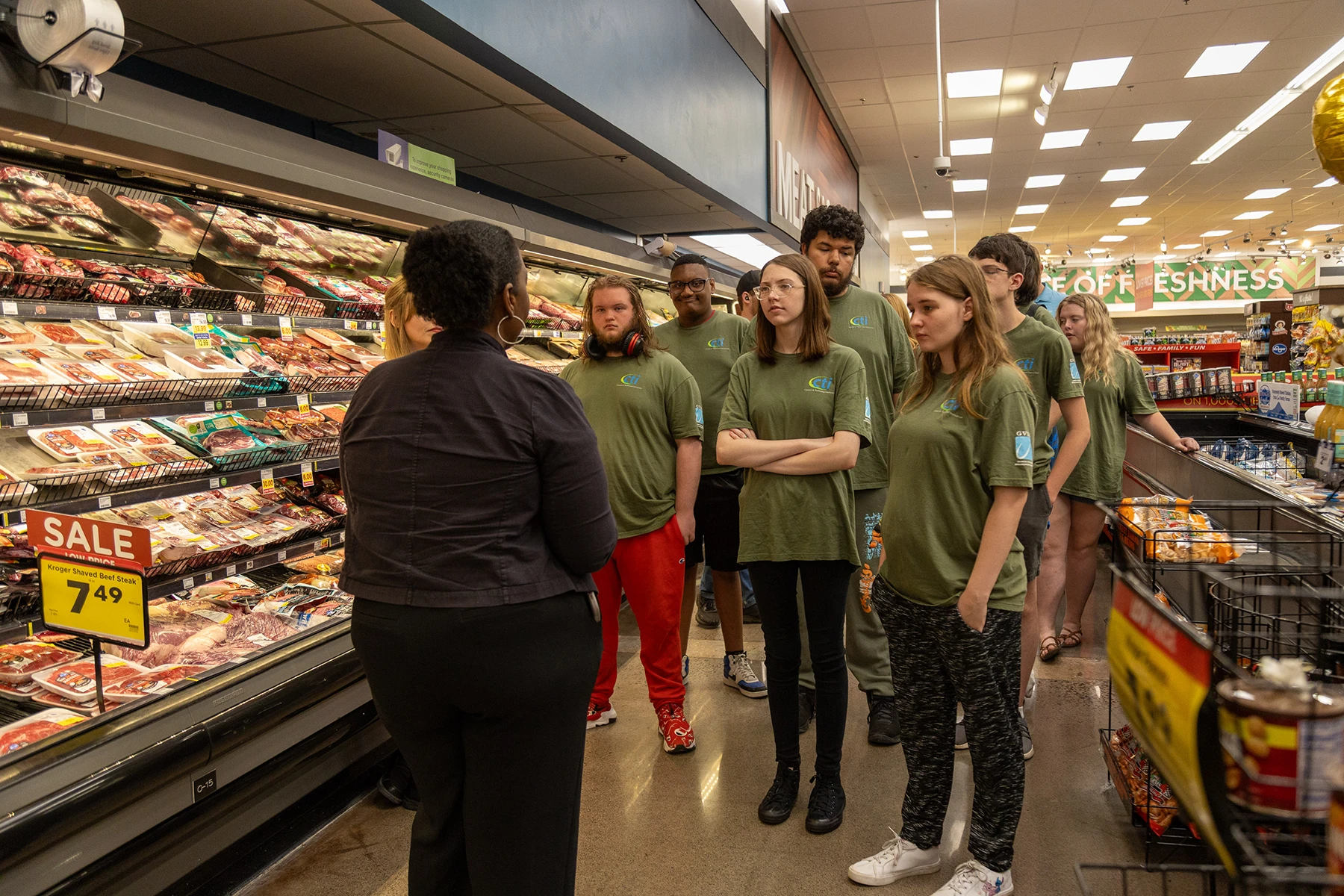
It looks like students practicing professional introductions, interviewing, goal setting, teamwork, and public speaking. It looks like competitive events that teach students how to follow a rubric, prepare materials, and explain their process, which mirrors the expectations of many jobs. It looks like students learning how to represent themselves and their school with confidence.
And sometimes, it looks like advocacy.
Events like CTSO Legislative Day give students a chance to see government in action and practice leadership in a professional setting. Students and advisers meet with legislators, share how CTAE and CTSOs impact their lives, and learn that their voices can shape decisions. That is self-advocacy with a real-world purpose.
At the end of the day, CTSOs matter because they help students connect learning to life. They turn “I think I can” into “I know I can,” one experience at a time. And for CTI students across Georgia, that kind of growth is exactly the point.
Statistics referenced reflect national CTSO and CTE research and are representative of trends seen in Georgia CTAE programs.