

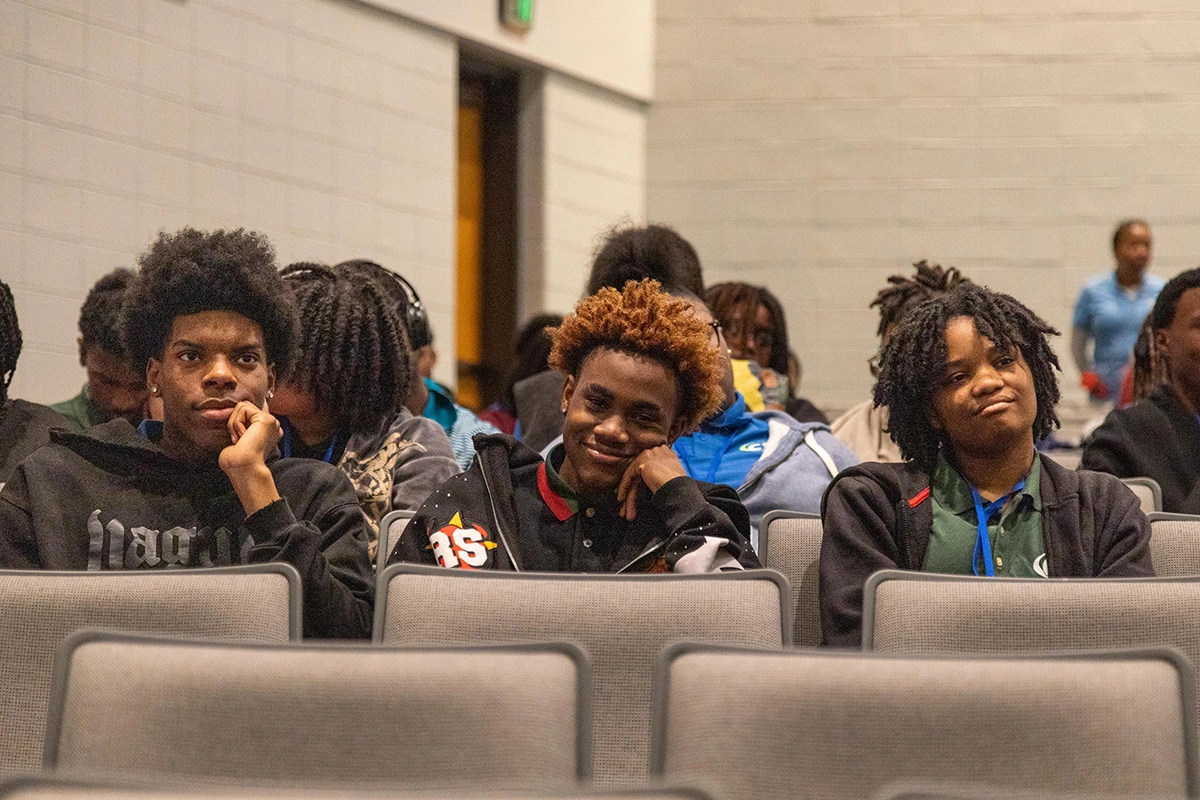
Mock interviews are another key part of self-advocacy in CTI. During the State Leadership Conference (SLC), students participate in interviews where they talk about their projects and experiences. This gives them a chance to share their ideas, explain what they have learned, and present themselves in a professional way. Unlike real job interviews, SLC provides a safe space where students can practice and receive feedback from judges who want to help them grow. This experience helps students feel more prepared for future opportunities.

CTI also supports self-advocacy through career exploration. As students learn about different jobs and training programs, they begin to understand what they like, what they are good at, and what they may need support with. This is an important step in being able to make informed choices. When students can say, “I want to work with people,” or “I prefer working outside,” they are practicing self-advocacy by identifying their strengths and preferences.
Real-world experiences, such as visits to training programs like Roosevelt Warm Springs, also help students practice speaking up for themselves. During these visits, students are encouraged to ask questions, share their interests, and think about what opportunities might be a good fit for them. Learning how to ask questions like “What would I need to do this program?” or “Can I get help with this?” helps students take ownership of their future.
Self-advocacy becomes even more important for students who plan to attend college. In college, students are responsible for their own learning and support. Unlike high school, accommodations are not automatically provided. Students must understand what they need, know how to ask for it, and know who to ask. CTI advisers and Pre-ETS instructors help students prepare for this transition by encouraging them to reach out to the disability coordinator at the colleges and universities they are interested in. These conversations help students learn what services are available and how to access them before they even step on campus.

Another important part of self-advocacy is learning how to handle challenges. CTI lessons often include role-playing situations where students practice responding to problems they might face at school or work. Whether it is dealing with a misunderstanding, asking for clarification, or handling a difficult situation, students learn that it is okay to speak up and seek support.
Ultimately, CTI helps students understand that their voice matters. Self-advocacy is not about having all the answers. It is about being willing to ask questions, express needs, and make choices. Through practice, encouragement, and real-world experiences, CTI gives students the tools they need to confidently advocate for themselves as they move into the next stage of their lives.